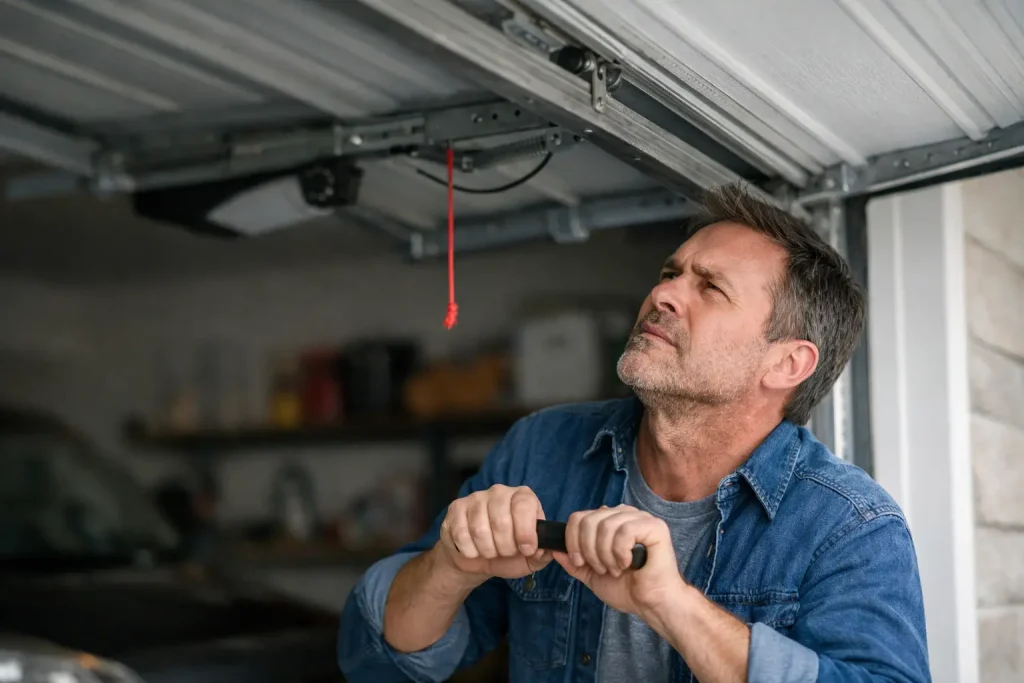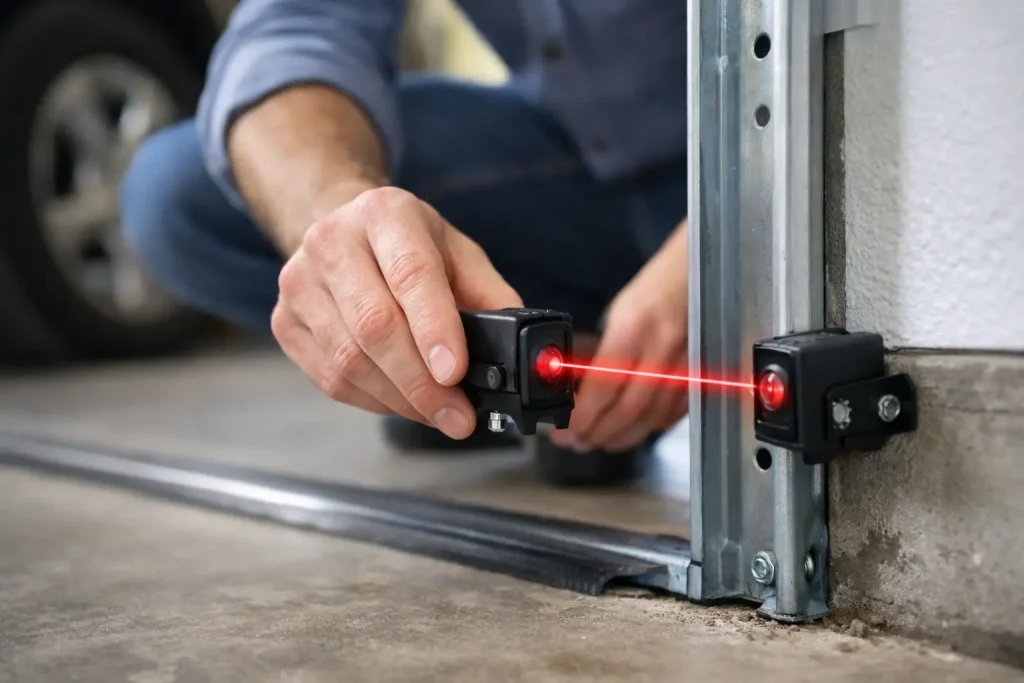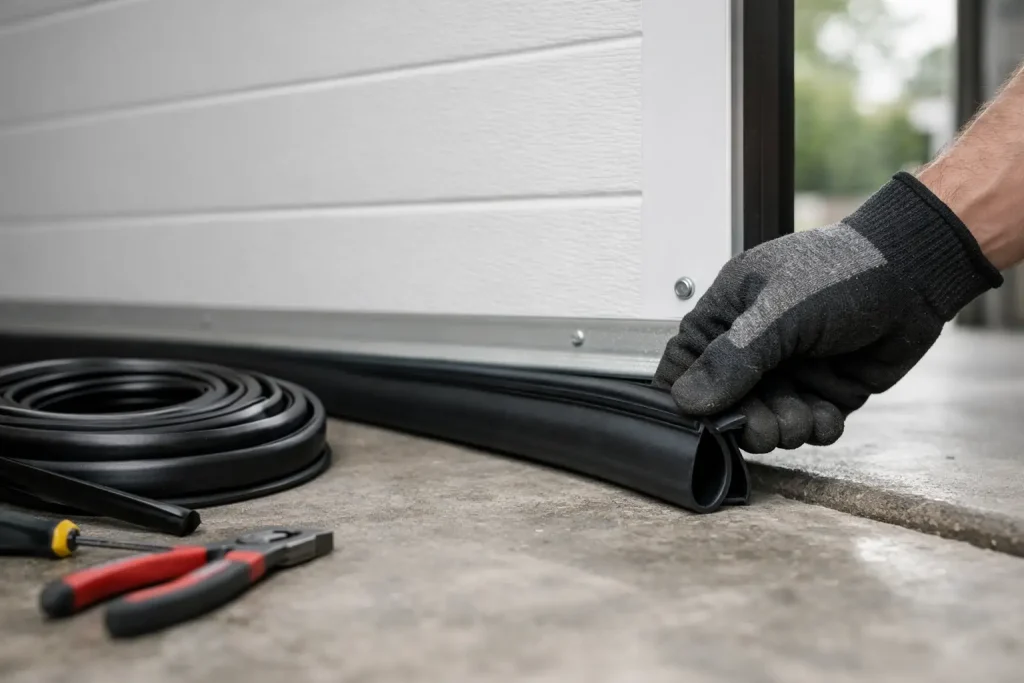
A garage door that used to open in a few seconds but now crawls upward is usually telling you something is wearing out, out of balance, or struggling under extra strain. If you have been asking, why is garage door opening slowly, the good news is that the problem is often traceable. The better news is that catching it early can help you avoid a full breakdown, a safety issue, or a more expensive repair later.
Sometimes the fix is simple. Other times, the slow movement is a warning sign that the opener, springs, rollers, or tracks need professional attention. The key is knowing the difference.
Why is garage door opening slowly all of a sudden?
When a garage door slows down suddenly, it usually means one part of the system has started resisting movement. Garage doors are heavy, and even an automatic opener is not doing all the lifting on its own. The opener works together with springs, rollers, tracks, hinges, and the door’s overall balance. If one part starts dragging or failing, the whole system can slow down.
In some cases, the opener is still running fine but is compensating for a door that has become harder to lift. In others, the motor itself is wearing out and no longer has the same power it once did. Cold weather, lack of lubrication, damaged rollers, loose hardware, and spring tension problems can all contribute too.
That is why a slow-opening garage door is not one issue with one answer. It depends on whether the door is sticking, the opener is weakening, or the entire system is overdue for service.
Common reasons a garage door opens slowly
The most common cause is worn or poorly lubricated moving parts. Rollers, hinges, and bearings need to move freely. If they dry out or collect dirt and debris, the door can drag as it travels along the tracks. You may notice the door sounds rougher than usual, hesitates near the bottom, or seems to strain more during opening.
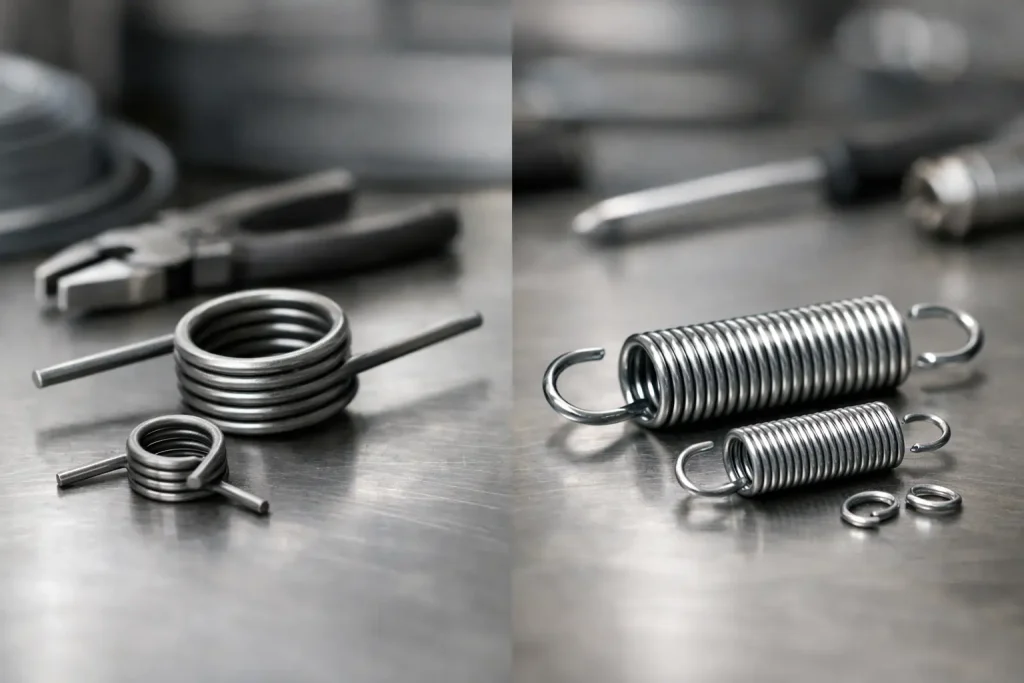
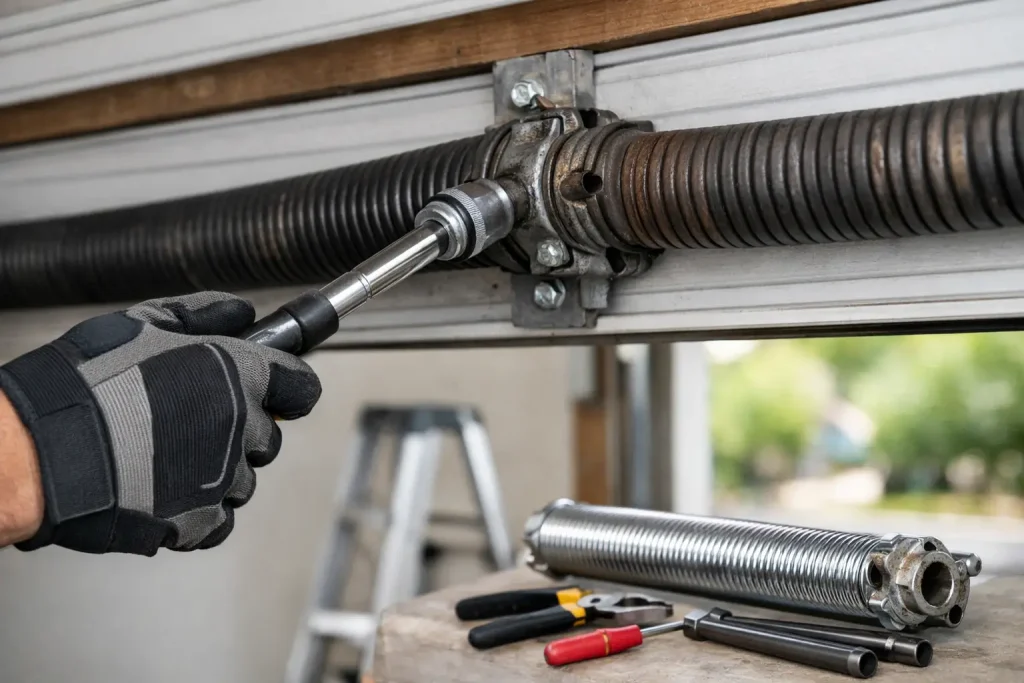
Another frequent issue is a spring problem. Springs help carry the weight of the door, so the opener is not lifting hundreds of pounds by itself. If a spring is worn, stretched, or losing tension, the opener has to work harder. The door may open more slowly, feel unusually heavy, or stop partway.
Old or failing rollers can also make a big difference. Nylon and steel rollers wear over time, and once they do, movement becomes less smooth. Bent tracks, loose brackets, or slight misalignment create the same effect. The opener may still lift the door, but not efficiently.
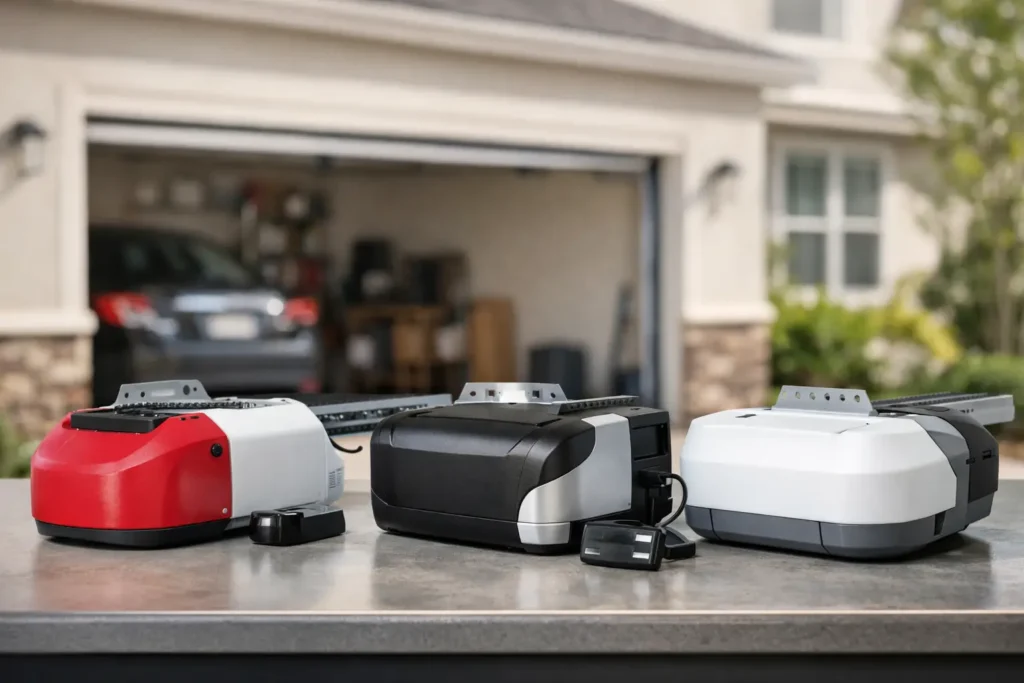
Then there is the opener itself. As garage door motors age, they can lose performance. Some openers also have speed settings, force settings, or travel adjustments that may need to be checked. If the motor hums loudly, sounds strained, or has become inconsistent, it may be nearing the end of its useful life.
A garage door opener problem or a door problem?
This is where many property owners get stuck. The opener gets the blame because it is the powered part, but slow opening is often caused by the door hardware, not the motor.
A simple way to think about it is this: the opener should guide and assist the door, not fight against it. If the springs are properly balanced and the rollers move smoothly, the opener does not need to work very hard. If the door is out of balance, rubbing, or dragging, the opener becomes the part you notice first because it sounds like it is struggling.
That is also why replacing the motor without fixing the underlying issue does not always solve the problem. A new opener attached to a poorly balanced door can still open slowly and may wear out sooner than it should.
What you can safely check first
Before assuming the worst, there are a few basic things you can look at safely from ground level.
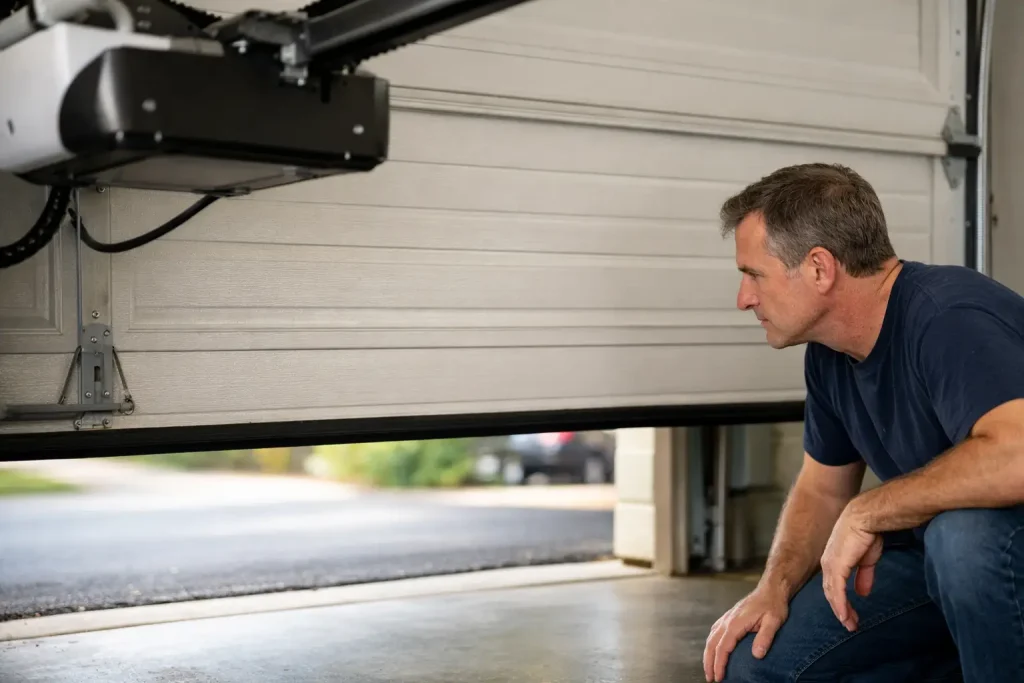
Start with the tracks. Check for visible debris, buildup, or anything that may be obstructing the rollers. Small items, hardened dirt, or even minor dents can affect movement. The tracks should look reasonably clean and straight.
Next, listen as the door opens. If you hear grinding, squeaking, or popping, that usually points to friction or worn moving parts. If the opener sounds like it is laboring but the door barely moves, balance or spring issues may be involved.
Look at the rollers and hinges if they are visible. If they appear worn, cracked, rusted, or loose, they may be contributing to the slowdown. Also pay attention to whether the door looks level as it opens. If one side lags behind the other, the system may be out of alignment or under uneven tension.
You can also consider recent weather changes. In colder conditions, lubricants can thicken and metal components can contract slightly, which sometimes makes a door feel slower. That said, weather may expose an existing issue rather than be the only cause.
When slow opening points to spring trouble
If your garage door opens slowly and feels heavier than normal, the springs may not be doing their job properly. This is one of the more serious possibilities because springs carry a large amount of tension and directly affect how safely the door operates.
A weakening spring does not always snap right away. It can gradually lose effectiveness, making the opener work harder over time. You might notice the door starting slowly, moving unevenly, or stopping before it reaches the fully open position.
This is not a DIY area. Springs can cause serious injury if handled incorrectly. If there is any suspicion of spring wear, breakage, or balance issues, it is best to stop forcing the opener and have the system inspected.
Why regular maintenance matters more than most people think
A lot of slow-opening door problems build up quietly. The door still works, so it is easy to ignore the extra noise, slight hesitation, or subtle change in speed. But garage doors are used often, and small issues add up quickly.
Routine servicing helps catch worn rollers, loose hinges, aging springs, opener strain, and track alignment problems before they turn into emergency repairs. It also helps the door move more smoothly, reduces stress on the opener, and can extend the life of the whole system.
For busy homeowners, landlords, and business owners, that matters. A slow garage door is not just annoying. It can delay your morning, create security concerns, and leave you dealing with a fully stuck door at the worst possible time.
When to call a professional for a slow garage door
If the door is moving slower than usual for more than a day or two, making unusual noise, opening unevenly, or stopping partway, it is time to have it checked. The same applies if the opener strains, reverses unexpectedly, or the door feels heavier than normal.
Trying to force a struggling garage door can damage the opener, wear out other parts faster, and increase the risk of sudden failure. A proper inspection can tell you whether the issue is minor maintenance, a part replacement, or a larger repair.
At 4 Seasons Garage Doors, this is the kind of problem we see often. A slow-opening door may need lubrication and adjustment, but it may also need roller replacement, spring work, realignment, or motor service. The right repair depends on what is actually causing the resistance.
Why is garage door opening slowly after years of normal use?
In many cases, it comes down to wear. Garage door systems do not fail all at once. They age one component at a time. Rollers wear down, hinges loosen, springs lose tension, and openers gradually lose efficiency. Even if the door has worked fine for years, regular use eventually catches up with it.
That does not mean you need a full replacement every time the door slows down. Often, a targeted repair or overdue maintenance is enough to restore normal operation. But if the system is older and several components are wearing at once, replacing key parts can be the more cost-effective option over repeated patch repairs.
A good technician should explain that clearly, without pushing work you do not need.
If your garage door has started opening slowly, treat it as an early warning, not just a minor inconvenience. A door that is still moving today can become a door that will not open tomorrow, and dealing with it early is almost always easier, safer, and less expensive.